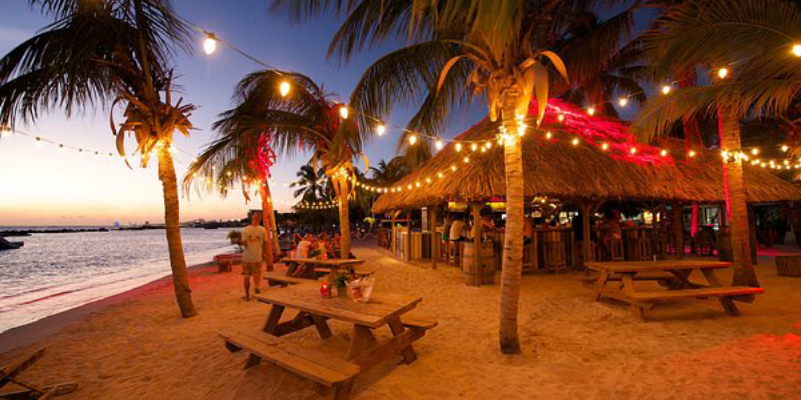
Curaçao is well-known for much more than just its stunning beaches and azure waters. This vibrant island in the southern Caribbean blends Dutch colonial architecture, Caribbean culture, intriguing history, regional cuisine, lively festivals, top-notch diving and snorkelling, and a laid-back island vibe.
From the colourful streets of Willemstad to the secluded beaches along the western coast, Curaçao offers a different experience around almost every corner. The island is also known for Blue Curaçao liqueur, its distinctive Papiamentu language, colourful cultural traditions and some of the Caribbean’s most popular diving and snorkelling spots.
This guide covers the locations, activities, cuisine, culture, and customs that set Curaçao apart if you’re thinking about travelling there and want to know what the island is known for.
What Is Curaçao Famous For?
Curaçao is best known for its colourful capital Willemstad, beautiful Caribbean beaches, clear water, diving and snorkelling, Blue Curaçao liqueur, multicultural heritage, local cuisine and vibrant festivals.
The island is part of the Dutch Caribbean and has a distinctive character shaped by African, European, Latin American and Caribbean influences. Its culture can be seen in everything from architecture and language to food, music and festivals.
Here are some of the things Curaçao is most famous for:
- Colourful Willemstad and its historic architecture
- Beautiful beaches and clear turquoise water
- Diving and snorkelling
- Blue Curaçao liqueur
- Papiamentu language and local culture
- Curaçaoan food
- Carnival and cultural festivals
- Christoffel National Park and other natural attractions
- Street art and creative neighborhoods
- A multicultural history
Let’s explore each of them.
1. Willemstad and Its Colourful Architecture
One of the first things people associate with Curaçao is Willemstad, the island’s capital.
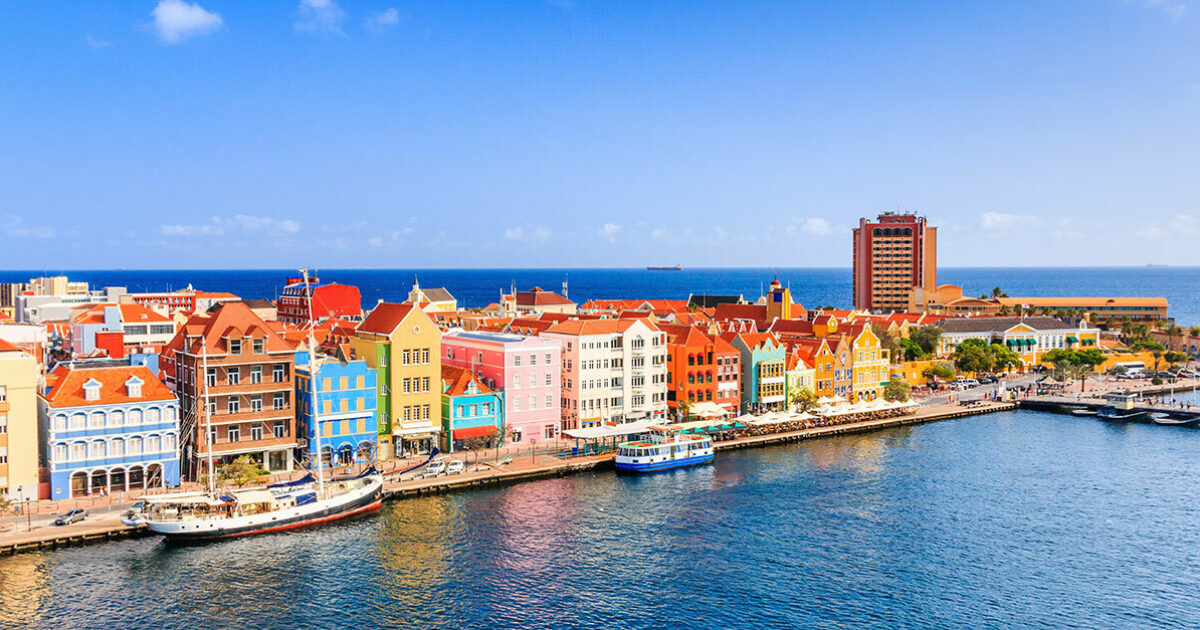
The historic city is famous for its colourful buildings, waterfront architecture and distinctive Dutch-Caribbean character. The historic areas of Punda and Otrobanda form the heart of the city and are among the most recognisable places in Curaçao.
Willemstad has been designated a UNESCO World Heritage Site because of its cultural and architectural significance. The city’s colourful waterfront, known as Handelskade, is particularly famous for its pastel-colored buildings overlooking the water.
Another well-known landmark is the Queen Emma Pontoon Bridge, a floating pedestrian bridge connecting Punda and Otrobanda. The bridge opens when ships need to enter or leave the harbour.
Beyond the architecture, Willemstad is also a great place to experience restaurants, cafés, museums, local shops and street art.
What to See in Willemstad
When exploring the city, consider visiting:
- Punda
- Otrobanda
- Handelskade
- Queen Emma Bridge
- Fort Amsterdam
- Pietermaai
- Local markets
- Street-art areas
- Historic museums
For first-time visitors, Willemstad is one of the best places to begin discovering Curaçao culture and history.
2. Curaçao Is Famous for Its Beaches
When people think about a Caribbean vacation, beaches are usually high on the list and Curaçao has plenty of them.
The island has more than 35 beaches, ranging from larger developed beaches with restaurants and facilities to small secluded coves surrounded by cliffs.
Some of the best beaches in Curaçao include:
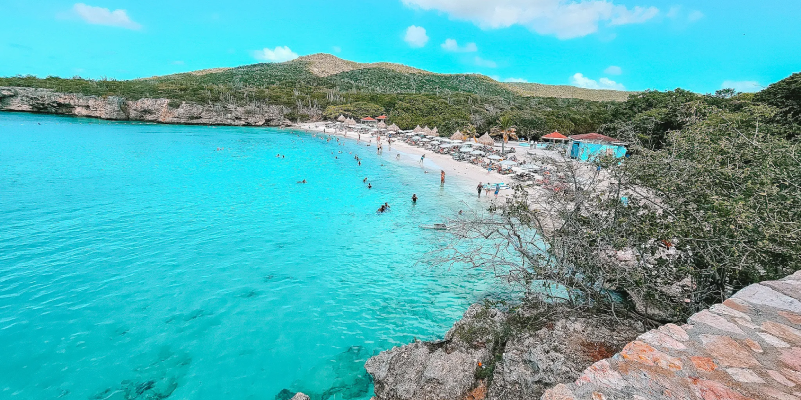
Grote Knip
Also known as Playa Kenepa, Grote Knip is one of the island’s most photographed beaches. It is known for its turquoise water, white sand and dramatic surrounding landscape.
Cas Abao Beach
Cas Abao is popular for swimming, snorkelling, and relaxing by the sea. Its clear water and facilities make it a convenient choice for visitors.
Playa Porto Mari
Porto Mari is known for its white sand, clear water and excellent snorkelling and diving opportunities. The beach is also famous for its double reef.
Playa Lagun
Playa Lagun is a smaller sheltered bay that is popular with snorkelers. Its protected setting makes it particularly appealing for people who want to spend time in the water.
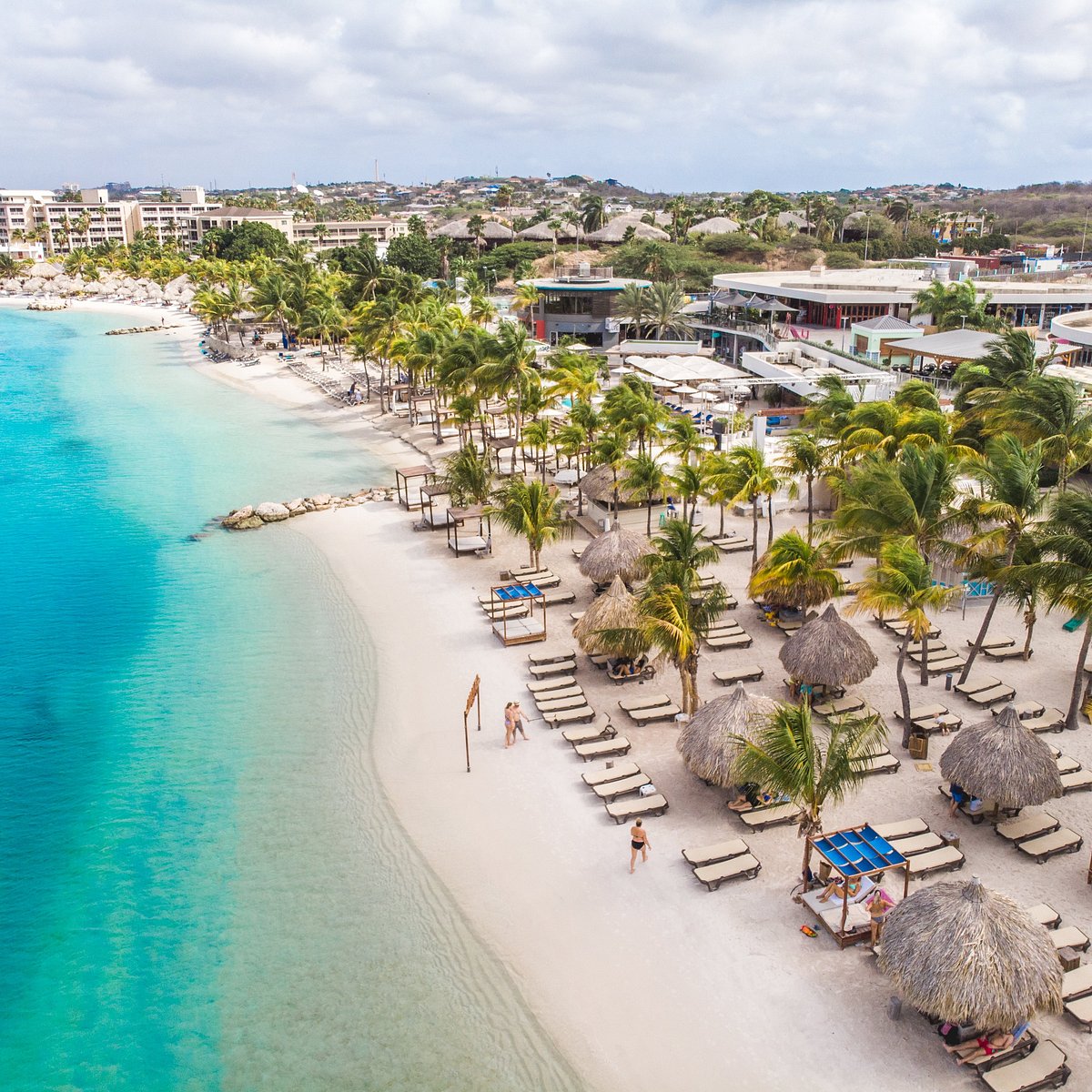
Mambo Beach
Mambo Beach offers a different experience, combining the beach with restaurants, shops, entertainment and nightlife.
The variety is one of the reasons Curaçao beaches are such an important part of the island’s appeal.
3. Curaçao Is Famous for Diving and Snorkelling
Curaçao is also well known as a destination for diving and snorkelling.
Its clear water and coral reefs attract visitors who want to explore marine life without spending their entire trip on a boat. The island has numerous dive sites, including several locations that can be accessed directly from shore.
Snorkelers can discover colourful fish and coral close to the coastline, while experienced divers have access to deeper reefs and underwater sites.
Popular areas for snorkelling and diving include:
- Playa Lagun
- Cas Abao
- Playa Porto Mari
- Tugboat
- Blue Bay
- Westpunt
The calm, clear waters around many parts of the island make underwater activities one of the major reasons people visit Curaçao.
4. Blue Curaçao Comes From the Island
One of the most recognisable names associated with Curaçao is Blue Curaçao.
The famous blue-colored liqueur is orange-flavoured and traditionally made using the dried peel of the laraha orange, a bitter citrus fruit associated with Curaçao.
The fruit has an interesting history. Valencia oranges were introduced to the island centuries ago, but Curaçao’s dry climate and soil conditions caused the fruit to develop a bitter taste. The peel, however, contains aromatic oils that became useful in making liqueur.
The blue colour is what made the product particularly recognisable around the world, although Curaçao liqueur is also produced in other colours and in a clear version.
Visitors interested in the story behind the drink can learn more about its production and history at the island’s liqueur heritage sites.
5. Curaçao Has a Unique Culture
Another major reason Curaçao is famous is its multicultural identity.
The island’s culture has been influenced by Indigenous communities, African heritage, Spanish and Dutch colonial history, Jewish communities and connections with other Caribbean and Latin American countries.
These influences can be seen throughout everyday life.
You can experience them through:
- Local food
- Music
- Dance
- Architecture
- Art
- Festivals
- Language
- Traditional celebrations
Rather than feeling like a destination with only one cultural identity, Curaçao has developed its own distinctive character from many different influences.
6. Papiamentu Is an Important Part of Curaçao Culture
Language is another fascinating part of the island’s identity.
Papiamentu is widely spoken in Curaçao and is an important part of local culture. It developed from a combination of linguistic influences, including Portuguese, Spanish, Dutch, English and African languages.
You will hear Papiamentu in everyday conversations, local businesses, music and cultural events.
Dutch, English and Spanish are also commonly encountered, making Curaçao a particularly multilingual destination for visitors.
Some useful Papiamentu words for travellers include:
- Bon dia – Good morning
- Bon bini – Welcome
- Danki – Thank you
- Kon ta bai? – How are you?
- Te otro biaha – See you next time
Learning a few local expressions can be a fun way to connect with the island’s culture.
7. Curaçao Is Known for Its Local Food
Food is another important part of understanding Curaçao culture.
Local cuisine reflects the island’s multicultural history, bringing together Caribbean, African, European and Latin American influences.
Some traditional foods and dishes visitors may encounter include:
Keshi Yena
A well-known Curaçao dish made with a hollowed-out wheel of cheese filled with seasoned meat and other ingredients.
Funchi
A cornmeal-based side dish commonly served with local meals.
Stobá
A traditional stew prepared with different types of meat and vegetables.
Pastechi
A popular fried pastry often filled with cheese, meat or seafood.
Fresh Seafood
Given Curaçao’s location, seafood is naturally an important part of the local food scene.
For an authentic introduction to Curaçao food, local markets and traditional restaurants can be just as interesting as the more tourist-focused dining areas.
8. Curaçao Is Famous for Carnival and Festivals
If you want to experience the island’s energy and traditions, its festivals are worth knowing about.
Curaçao Carnival is one of the island’s major annual celebrations, featuring colourful costumes, music, dancing and large parades. Carnival is deeply connected to local culture and attracts participants and visitors from across the region.
Other cultural and creative events take place throughout the year, including celebrations focused on music, art, food and local communities.
Because festival dates can change from year to year, travellers should check the latest event calendar before planning their trip.
9. Curaçao Is More Than Beaches: Nature and National Parks
Although the beaches are one of the island’s biggest attractions, Curaçao also has a surprisingly diverse landscape.
Christoffel National Park
Christoffel National Park is home to Christoffelberg, the highest point on the island at approximately 372 metres above sea level. The park offers hiking trails and panoramic views across the surrounding landscape.
Shete Boka National Park
Shete Boka is located along Curaçao’s rugged northern coastline. The park is known for its cliffs, rocky coastline, caves and powerful waves.
Boka Tabla is one of the better-known locations, where waves enter a natural cavern and create an impressive sight.
Hato Caves
Hato Caves are limestone caves with stalactites, stalagmites and historical significance. The caves were used by Indigenous people and later served as shelter for escaped enslaved people.
These attractions show another side of Curaçao that is very different from the typical beach-resort experience.
10. Curaçao Has a Fascinating History
The island’s history is complex and important to understanding its present-day identity.
Curaçao was influenced by Spanish and Dutch colonial rule and also had a significant role in the transatlantic slave trade. African heritage has had a profound influence on the island’s culture, traditions, music and food.
Curaçao is also home to one of the oldest continuously operating Jewish communities in the Western Hemisphere. The Mikvé Israel-Emanuel Synagogue in Willemstad dates back to the 18th century.
Museums and historic sites across Willemstad provide opportunities to learn about the island’s colonial period, African heritage, Jewish history and wider Caribbean connections.
Understanding this history adds depth to a trip beyond simply visiting beaches and resorts.
11. Street Art Is Part of Modern Curaçao
Curaçao’s culture isn’t limited to historic buildings and museums.
Street art has become an increasingly visible part of modern island life, particularly in neighbourhoods such as Punda, Otrobanda and Pietermaai. Murals and colourful artworks can be found throughout parts of Willemstad, adding another layer to the city’s already distinctive appearance.
For travellers interested in photography, art or local culture, exploring these neighbourhoods on foot can reveal a very different side of Curaçao.
12. What Makes Curaçao Different From Other Caribbean Islands?
So, what makes Curaçao special?
The answer is the combination of experiences available in a relatively compact destination.
You can spend the morning exploring colourful colonial architecture in Willemstad, the afternoon snorkelling in clear Caribbean water, and the evening trying local food or listening to live music.
The island also offers a mix of Caribbean landscapes and European influences, making it feel different from many other destinations in the region.
Curaçao combines:
- Caribbean beaches
- Dutch architecture
- Multicultural traditions
- Local cuisine
- Diving and snorkelling
- National parks
- Historic sites
- Art and music
- Festivals
- A distinctive local language
That variety is one of the strongest reasons travellers choose Curaçao.
Is Curaçao Worth Visiting?
Yes, especially if you want a Caribbean destination that offers more than a traditional beach holiday.
Curaçao can appeal to different types of travellers:
For beach lovers: There are dozens of beaches and secluded coves to explore.
For adventure travellers: Diving, snorkelling, hiking and water activities provide plenty to do.
For culture lovers: Willemstad, local food, museums, festivals, art and Papiamentu offer plenty of cultural experiences.
For history enthusiasts: The island’s colonial, African and Jewish heritage creates a fascinating historical landscape.
For families: Many beaches and attractions provide opportunities for relaxed sightseeing and outdoor activities.
For couples: Beaches, restaurants, colorful neighborhoods and sunset experiences make the island well suited to romantic trips.
Frequently Asked Questions About Curaçao
What is Curaçao most famous for?
Curaçao is best known for its colourful architecture in Willemstad, beautiful beaches, clear Caribbean waters, diving and snorkelling, Blue Curaçao liqueur, multicultural heritage, and distinctive local culture.
What food is Curaçao famous for?
Curaçao is known for traditional dishes such as keshi yena, funchi, stobá and pastechi, along with fresh seafood and a wider cuisine influenced by African, Caribbean, European and Latin American traditions.
What is Curaçao known for besides beaches?
Beyond its beaches, Curaçao is known for Willemstad’s colourful architecture, diving, snorkelling, Blue Curaçao liqueur, local food, Papiamentu, festivals, street art, national parks and its multicultural history.
What is Curaçao culture like?
Curaçao culture is multicultural, with African, European, Caribbean and Latin American influences. These influences can be seen in the island’s language, food, music, architecture, festivals and everyday life.
What language do people speak in Curaçao?
Papiamentu is widely spoken in Curaçao. Dutch and English are also commonly used, while Spanish is widely understood and spoken by many people.
What are the most famous places in Curaçao?
Some of the best-known places include Willemstad, Grote Knip, Cas Abao, Playa Porto Mari, Playa Lagun, Christoffel National Park, Shete Boka National Park and Hato Caves.
Is Curaçao a good destination for a vacation?
Curaçao is a strong choice for travellers seeking a combination of beaches, culture, history, outdoor activities, food, and sightseeing rather than a purely resort-based vacation.